


-

Add: HeBei ShengShi HongBang Cellulose Technology CO.,LTD.
-

Email
13180486930@163.com -

CONTACT US
+86 13180486930
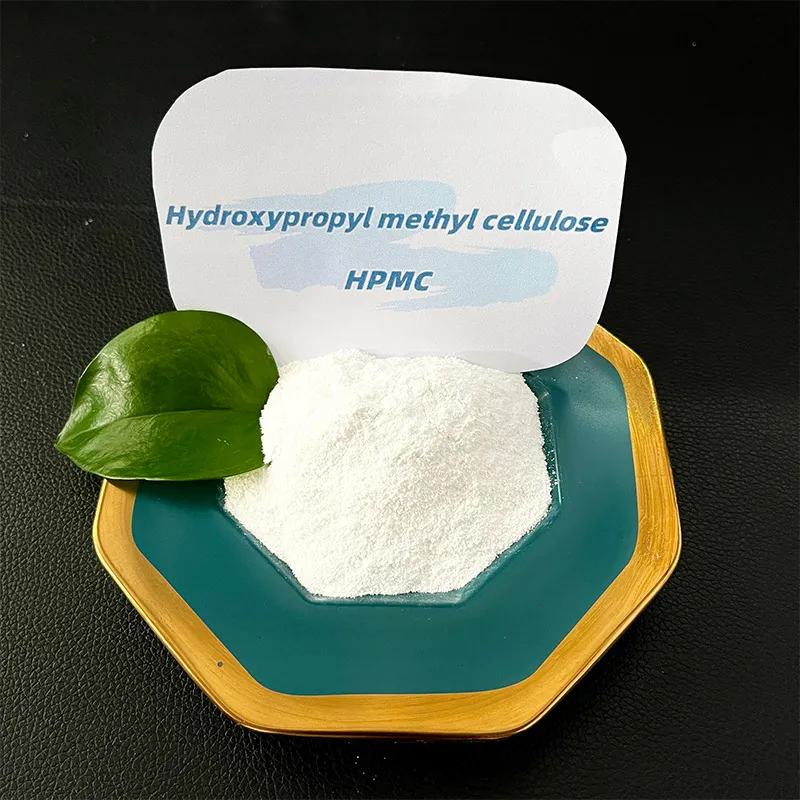
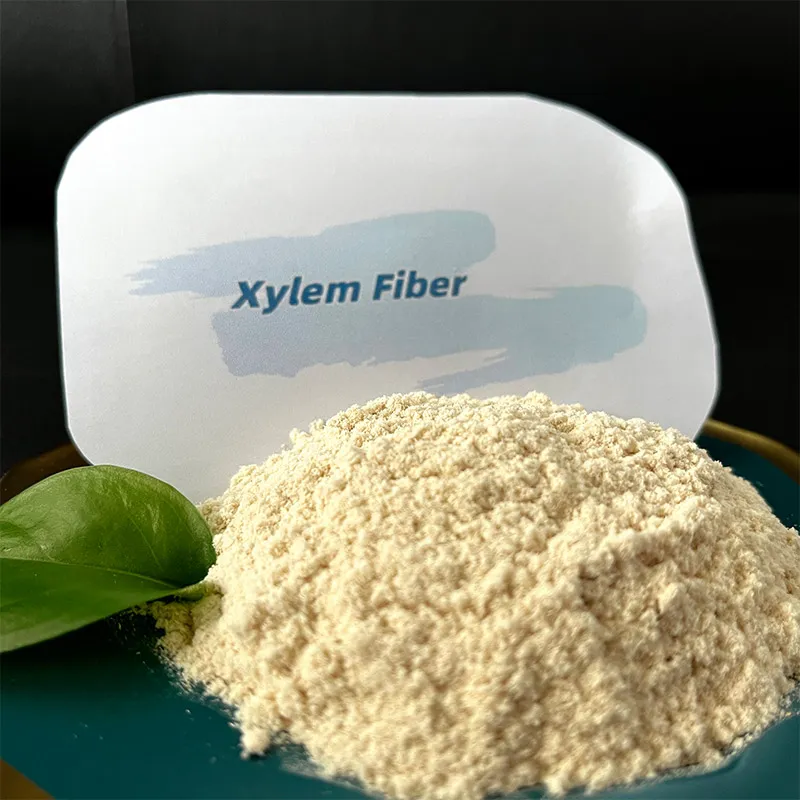
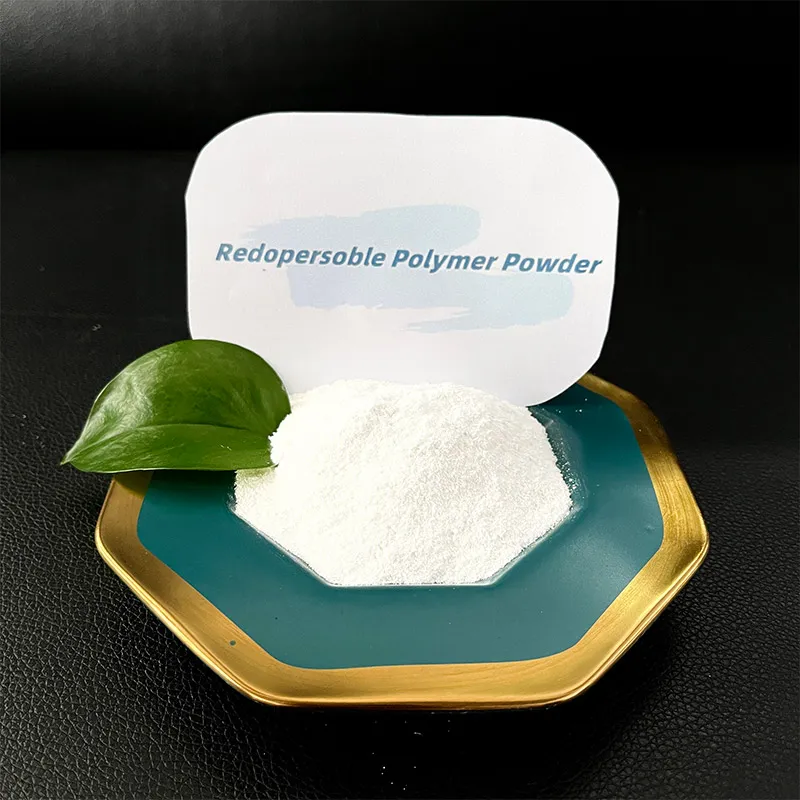


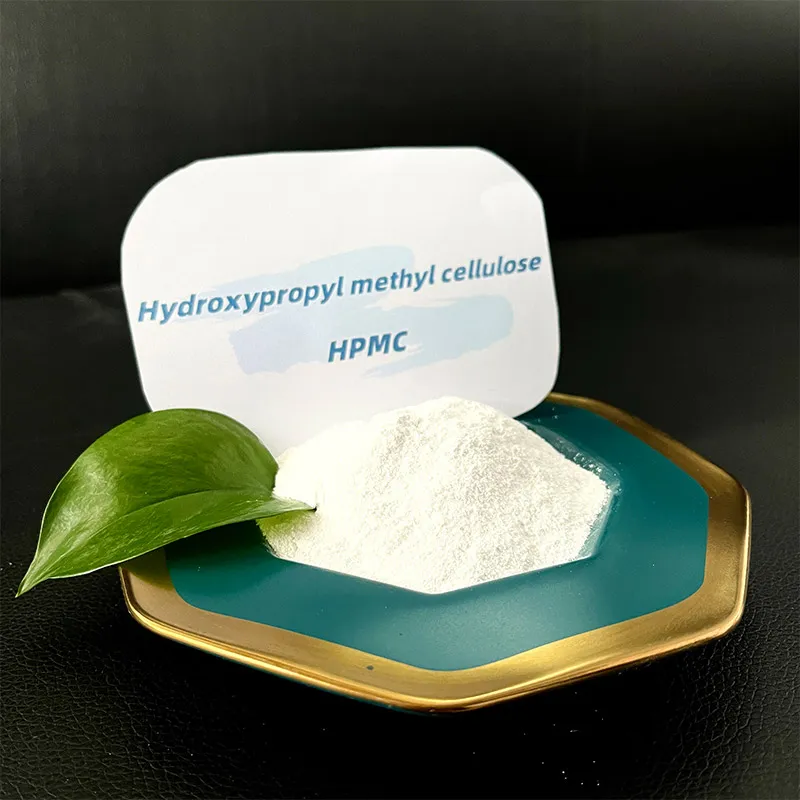
Hydroxypropyl Methylcellulose (HPMC) has emerged as a versatile and essential ingredient in the food industry, transforming the way food products are developed and enhancing their quality. Employed namely for its exceptional emulsifying, thickening, and gelling abilities, HPMC continues to gain recognition among food scientists and manufacturers for its innovative applications. With its origin traced back to cellulose, HPMC is produced through the chemical modification of this natural component, ensuring it remains non-toxic and safe for consumption. This synthetic polymer exhibits a high-water retention quality and forms a gel when dissolved in cold water, which makes it optimal for a multitude of food applications. In bakery products, HPMC assumes a critical role in improving dough properties, retaining moisture during baking, and extending the shelf life of finished products. Its ability to reduce the retrogradation of starch ensures that baked goods maintain freshness longer than they typically might, which is highly beneficial for both bakeries and consumers. The addition of HPMC in gluten-free recipes is a game-changer, as it compensates for the loss of gluten, providing structure and elasticity to dough, thus enhancing the texture and appeal of gluten-free bread and pastries. Furthermore, HPMC’s role in creating emulsions makes it indispensable in the production of sauces, dressings, and gravies. Its stabilizing properties prevent the separation of oil and water, ensuring a consistent texture and appearance. Food scientists have noted its effectiveness in low-fat and low-calorie products, where fat content reduction is desired. Here, HPMC enhances mouthfeel and mimics the creaminess of full-fat counterparts without compromising taste or satisfaction, aligning perfectly with the growing demand for healthier food options. In the dairy industry, HPMC is utilized to improve viscosity and stabilize dairy products such as yogurt and ice cream. It helps in maintaining the form and consistency, particularly in reduced-fat versions, by preventing ice crystal formation which can detract from the smoothness typically desired in ice cream. By promoting even distribution of particles and maintaining the suspension of other ingredients, HPMC ensures consistency throughout the product's shelf life. hpmc in food Snack foods benefit from HPMC's film-forming properties, which are leveraged to create barriers that prevent moisture gain and oil migration, preserving crunchiness and flavor. This attribute is particularly advantageous in products such as fried snacks and cereals, where a prolonged crispiness is a key quality attribute sought by consumers. The burgeoning plant-based food sector has also recognized the utility of HPMC. As an emulsifier, binder, and stabilizer, HPMC enhances the coherency and mouthfeel of plant-based meat and dairy alternatives. It helps mimic the juicy texture and structure of animal-derived products, often missing in plant-based options, thereby raising their appeal to a broader audience. However, the incorporation of HPMC into food products is not merely functional; it's also regulated by stringent safety standards. The Food and Drug Administration (FDA) along with the European Food Safety Authority (EFSA) have approved HPMC as a safe food additive, which reassures both manufacturers and consumers regarding its use. Innovation and sustainability also find their intersection with HPMC, as its cellulose base derives from plant fibers, positioning it as an environmentally friendly option in food production. This sustainability angle aligns with global movements towards reducing environmental impact, elevating HPMC's status not just as a synthetic enhancer but as a responsible choice within product formulations. As food technology advances, the importance of HPMC in food products only becomes more pronounced . Its adaptability and multifaceted benefits make it a cornerstone in developing not only tasty but also stable and healthy food options. For food manufacturers aiming to stay ahead in the competitive market, understanding and utilizing HPMC’s full potential is indispensable.
- 40000tons

Production
- 20+years

Experience
- 5000+㎡

Acreage

-
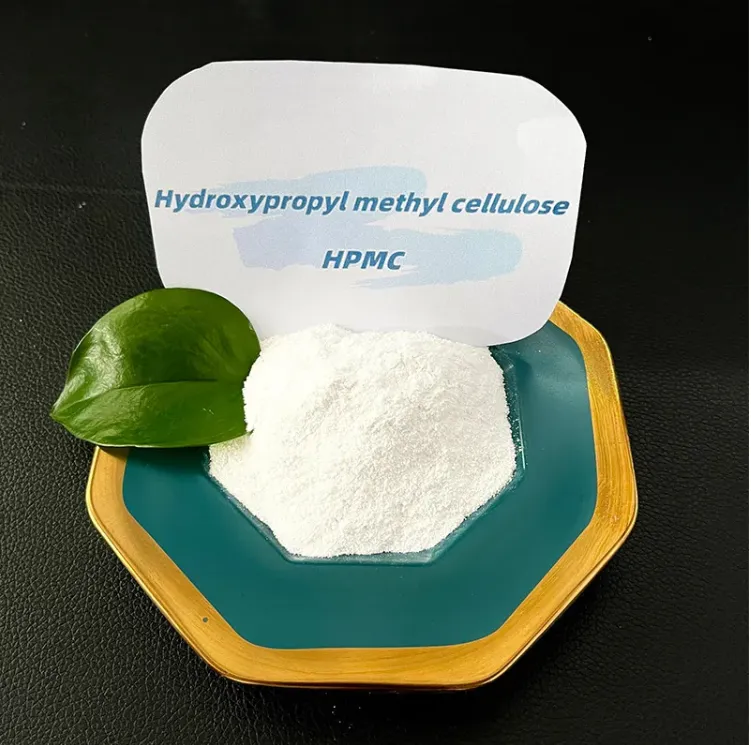
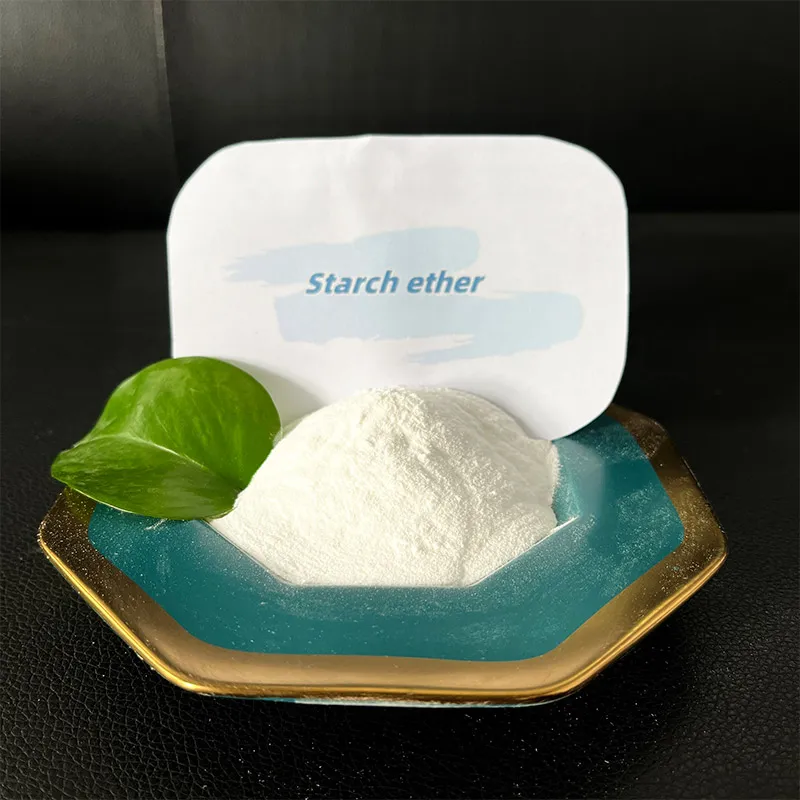
As a critical additive in the construction, chemical, and tile adhesive industries, starch ether plays an indispensable role in modern dry-mix mortar and adhesives. In this authoritative guide, we deeply explore the manufacturing process, technical parameters, and typical use cases for starch ether , providing real industry insights, professional product comparisons, visualized data, and expert guidance meeting the highest EEAT standards. 1. Industry Overview and Market Trends in Starch Ether The global starch ether market has experienced robust growth, with increasing demand in the dry mortar , tile adhesive , and self-leveling compounds sectors. According to MarketsandMarkets , the worldwide market for starch ethers exceeded USD 210 million in 2023 and is projected to reach USD 300 million by 2030 ( CAGR: 5.2% ). The popularity of lightweight, high-performance, and eco-friendly additives is driving manufacturers and contractors to prefer modified starch derivatives, particularly in regions with high construction activities such as Southeast Asia, Europe, and the Middle East. 2. What is Starch Ether ? Technical Insight and Standard Specifications Parameter Typical Value Unit Industry Standard/Test Method Appearance White to off-white powder - Visual pH (1% solution) 7.0 - 11.0 - ISO 4316 Moisture Content ≤ 14.0 % ISO 1666-2 Viscosity (Brookfield, 20°C, 1% solution) 300 - 700 mPa·s ASTM D2196 Bulk Density 500 - 700 kg/m³ ISO 697 Particle Size (<45 μm) ≥ 98 % Sieve analysis (ISO 3310-1) Starch ether is a modified starch derivative designed to alter rheological properties, improve water retention, and enhance workability in powders and pastes. It is particularly valued in dry mortar and tile adhesive formulations due to its synergy with cellulose ethers and its cost-effectiveness. 3. Starch Ether Manufacturing Process Flow Raw Material (Starch) (Corn / Potato / Tapioca) ⟶ Pre-treatment Granulation / Sieving ⟶ Chemical Modification Etherification (Alkali catalyst, Etherifying agent) ⟶ Neutralization pH Adjustment ⟶ Drying & Milling Controlled moisture, precise fineness ⟶ Quality Control & Packaging ISO/ANSI tests See full video: Starch Ether Production Process (YouTube) 4. Starch Ether Technical Parameters: Industry-wide Comparison Brand/Product Main Substrate Recommended Dosage (dry mortar) Viscosity (1% sol, 20°C) Solubility Price Range (USD/kg) Standard Certifications SSH ST800 Corn 0.03-0.07% 420 mPa·s Instant $2.10~2.60 ISO 9001, ISO 14001 Dow Starch Ether Potato 0.05-0.10% 340 mPa·s Good $2.40~2.88 REACH, ISO 9001 Celotech ZS-150 Tapioca 0.07-0.15% 500 mPa·s Excellent $2.20~2.55 ISO 9001, FDA 5. Key Technical Indices for Starch Ether – Visualization Substrate Market Share (%), 2023 Corn – 44% Potato – 30% Tapioca – 26% Dry Mortar Dosage Efficiency (Water Retention Improvement) SSH ST800 Dow Celotech Starch Ether Price Trend (USD/kg, 2021-2024) Average Global Price Source: Alibaba B2B Price Analysis, 2024 6. Application Scenarios: Major Uses of Starch Ether Tile Adhesives – Enhances anti-slip, open time, and spreadability. Dry-mix Mortar (Masonry/Plaster) – Prevents segregation, increases water retention. Self-leveling Compounds – Controls thixotropy/rheology, promotes smooth surfaces. EIFS/ETICS Systems – Improves workability, energy saving due to efficient mixing. Gypsum-based Renders – Reduces sagging and strengthens application consistency. Cementitious Waterproofing – Boosts flexural and tensile strength. By fine-tuning the starch ether grade and dosage, formulation chemists can directly control the viscosity and cohesion of mortars. Typical dosage is 0.03%-0.15% of total dry mix. ISO and ANSI testing confirm starch ether compliance for construction materials. Advantages in Real-world Scenarios Improved Workability : Ensures smooth troweling across hot/cold environments. Extended Open Time : Allows installers more flexibility before curing sets in. Energy Efficiency : Faster mixing, less wastage on-site. Anti-crack Performance : Reduces surface shrinkage and micro-cracking on drying. Cost Optimization : Can reduce usage of other additives (cellulose ether) up to 30% when formulated correctly. 7. Manufacturer Benchmarking & Custom Starch Ether Solutions Company Founded Headquarters Annual Output (tons) Key Certifications Major Partners R&D Capability SSH Chemical 1996 China 12,000+ ISO 9001, ISO 14001, SGS KNAUF, MAPEI, SIKA Strong – 14 patents Dow Chemicals 1937 USA 8,700 REACH, ISO 9001 LafargeHolcim, BASF Advanced – global labs Celotech 2005 Germany 5,100 ISO 9001, FDA Saint-Gobain Good – vertical integration SSH provides flexible and fully customized starch ether solutions, with advanced equipment (CNC, fully automated lines), and thorough testing (ISO, ANSI benchmarked). Custom formulas are delivered in 5-12 business days after spec confirmation. 8. Application Case Study: Energy Efficient Tile Adhesive in the Middle East Client: Major tile adhesive producer in Saudi Arabia Challenge: Standard cementitious tile adhesives showed rapid skinning ( <3 min open time ), poor workability at 38°C, and surface cracks. Solution: Adoption of SSH ST800 starch ether at 0.06% formula inclusion, together with HPMC. Outcome: Open time doubled to 6.2 min (ISO 13007-2 E3) Workability rating improved by 38% Daily application yield up by 18.3% Crack formation reduced to <0.4% Overall customer satisfaction 4.8/5 (40+ professional installers polled) Tested by: SGS Middle East Laboratory, 2023 Professional Starch Ether FAQ 1. What is the optimal starch ether grade for tile adhesive production? Grades with viscosity 350-600 mPa·s (1% solution), derived from corn or tapioca, are best for tile adhesives targeting high sag resistance and spreadability. 2. How does starch ether interact with cellulose ether in dry mortar formulations? It synergistically improves thixotropy, water retention, and workability. Use max 30% of total ether additive dosage as starch ether . 3. Are there international certifications for starch ether products? Yes. Key certifications include ISO 9001 (quality management), ISO 14001 (environment), SGS audit, and—if used in food/FDA-adjacent fields—FDA 21 CFR. 4. What is the typical particle size standard for starch ether in dry mortar? ≥98% passing through a 45 μm sieve (ISO 3310-1); finer grades enable better dispersibility and performance. 5. What installation and storage standards should be followed? Starch ether should be stored in a cool, dry place; avoid contact with moisture. Installation in mortar follows EN 998-1, EN 12004, and ANSI A118.1 specifications. 6. What is the shelf life/guarantee of starch ether ? Typically 24 months when kept sealed at room temperature (≤30°C). Guaranteed stability if compliant with ISO and ASTM test results. 7. Is starch ether suitable for automated cement plant dosing? Yes. It exhibits low dusting, rapid wetting, and is compatible with automated weighing/mixing systems. 9. Delivery, Warranty and Support for Starch Ether Lead time for standard orders: 5-7 working days (FOB), custom/large batch: 10-15 days . Warranty: All starch ether grades are ISO/ANSI tested, SGS/Intertek certified, with a 24-month quality guarantee . Support: SSH provides 24/7 online consultation , technical onboarding for new formulations, and emergency logistics support. Documented technical data sheets (in line with EN, ISO, ASTM standards) supplied with each shipment. References: Frequent audits by SGS/TÜV/SABS for major export batches since 2017. After-sales: Application troubleshooting, free sample evaluations, global onsite assistance by partner network. Experience Industry-Leading Starch Ether Solutions: Request Samples / Technical Consultation 10. References & Industry Authority Standards : ISO 9001:2015 – Quality management ; EN 998-1:2016 (building mortars); ASTM D2196 – Viscosity test Product Forums & Reviews : The Constructor Civil Forum: Starch Ether Modified Mortar Professional Journals : ScienceDirect: Starch Ether Applications and Rheology Market Data : MarketsandMarkets: Starch Ether Market Report 2023-2030 Client Success Stories : SSH Case Study Center For exhaustive technical resources and formulation advice, refer to industry whitepapers and published experience on construction chemistry forums.
-
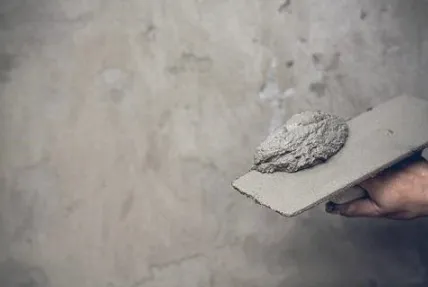
HPMC, hay còn gọi là Hydroxypropyl Methylcellulose, là một chất phụ gia thực phẩm với số E là E464 . Nó đóng vai trò quan trọng trong việc cải thiện đặc tính của các sản phẩm thực phẩm và công nghiệp. Để hiểu rõ hơn về chất này, chúng ta cần xem xét nó từ góc độ uy tín, kinh nghiệm thực tế và chuyên môn kỹ thuật. Trước hết, với kinh nghiệm từ nhiều năm nghiên cứu và ứng dụng trong ngành thực phẩm, HPMC là một polymer cellulose không ion, tan trong nước và có khả năng tạo gel ở nhiệt độ cao. Điều này có nghĩa là khi được thêm vào một sản phẩm, HPMC có thể tăng cường độ dày, độ bền và tính ổn định mà không ảnh hưởng đến hương vị hoặc giá trị dinh dưỡng của sản phẩm. Tôi đã thấy sự khác biệt rõ rệt khi sử dụng HPMC trong các sản phẩm từ bơ sữa đến bánh kẹo và thậm chí là đồ uống. Chuyên môn về HPMC cũng rất quan trọng vì không phải nhà sản xuất nào cũng biết cách sử dụng nó hiệu quả. Với những hiểu biết sâu rộng trong lĩnh vực này, HPMC không chỉ được sử dụng trong thực phẩm mà còn trong các ngành công nghiệp khác như dược phẩm, mỹ phẩm và cả xây dựng. Nó hoạt động như một chất ổn định, chất làm đặc và chất liên kết trong các viên thuốc, giúp tăng cường độ nhớt trong mỹ phẩm, và thậm chí còn được sử dụng như một tác nhân chống lại hiện tượng chảy xệ trong vật liệu xây dựng. Một trong những trải nghiệm đáng chú ý mà tôi từng có là trong quá trình cải tiến một công thức bánh ngọt. Chúng tôi đã thêm một lượng nhỏ HPMC và nhận thấy rằng độ xốp của bánh được cải thiện đáng kể. Nếu không có HPMC, sản phẩm có thể dễ bị vỡ khi đóng gói và vận chuyển. Thông qua nghiên cứu và thử nghiệm, kết quả cho thấy sản phẩm có hạn sử dụng dài hơn mà không cần đến các chất bảo quản nhân tạo. hpmc số Tuy nhiên, không thể không nhắc đến độ tin cậy và tính hợp pháp của HPMC trên thị trường. Nó đã được Tổ chức Lương thực và Nông nghiệp của Liên Hiệp Quốc và Tổ chức Y tế Thế giới công nhận là an toàn khi sử dụng trong thực phẩm. Một điểm nổi bật là HPMC không bị biến đổi về mặt sinh học trong cơ thể, điều này làm cho nó trở thành một sự lựa chọn an toàn cho tất cả các loại hình tiêu dùng. Về tính chuyên môn, HPMC có khả năng chịu được điều kiện môi trường khắc nghiệt, từ nhiệt độ cao đến độ ẩm thấp, khiến nó trở nên đặc biệt hữu ích trong việc duy trì tính toàn vẹn của sản phẩm dưới các điều kiện vận chuyển và lưu trữ khác nhau. Kinh nghiệm từ các chuyên gia cho thấy rằng việc tích hợp HPMC vào sản xuất không chỉ giúp cải thiện chất lượng mà còn tối ưu hóa chi phí thông qua việc giảm thất thoát và cải thiện hiệu suất quy trình. Cảm giác an toàn là điều tối quan trọng khi đề cập đến HPMC từ góc độ người tiêu dùng. Được sản xuất dưới dạng bột mịn, không màu và không mùi, HPMC hoàn toàn không làm thay đổi cảm giác và mùi vị của sản phẩm. Điều này tạo ấn tượng rằng các sản phẩm có chứa HPMC vẫn giữ được bản chất tự nhiên của chúng mà không cần đến bất kỳ chất hóa học nào có thể gây hại. Tóm lại, HPMC với số E là E464 là một yếu tố kỳ diệu trong việc tối ưu hóa sản phẩm. Với sự kết hợp giữa kinh nghiệm thực tế, chuyên môn cùng độ tin cậy cao, các sản phẩm có chứa HPMC không chỉ phù hợp với tiêu chuẩn công nghiệp mà còn đáp ứng được những yêu cầu khắt khe của người tiêu dùng hiện đại.
advantages
-

200000 Viscosities
Excellent product
We can produce pure products up to 200,000 viscosities
-

40000 tons
High yield
We don’t stop production all year round, and the annual output can reach 40,000 tons
-

24 hours
Quality service
We provide 24-hours online reception service, welcome to consult at any time
———— Inquiry Form
Schedule A services

-
 fibra_manufacturada
Oct . 25, 2025
Methylcellulose tablets are rapidly gaining attention in both the medical and wellness industries du -
 hpmc_k_100_m
Oct . 25, 2025
Retained eye comfort is often a top priority for individuals dealing with dry eyes. Among the myriad -
 bei_ya_selulosi_ya_methyl_hydroxyethyl
Oct . 25, 2025
HPMC Dextran is the innovative addition to the pharmaceutical excipients' domain that is capturing s


